

Rabia: İlk Kadın Evliya
1973, TR. Directed by Süreyya Duru.
Rabia is a young woman who grew up worshiping alongside her religious father. Rabia, who was taken prisoner by the slave trader Ammar, is sold to Emir Hanzade as a concubine. Emir, who fell in love as soon as he saw his concubine, began to torture Rabia when he could not find her love back. Resisting the difficulties she experienced, Rabia's faith gets stronger in this process. As time passed, Rabia became one of the saints of her religion.
- Runtime
- Unknown
- Post-credits
- None listed
- Language
- TR
- Rated
- Check local
Too new to call
Not enough people have rated it yet for a verdict.
Seen it? Give your verdict.
Saved privately on this device.
Where to watch Rabia: İlk Kadın Evliya
Rabia: İlk Kadın Evliya isn’t streaming on any OTT platform in India yet; it released on 1 January 1973.
No streaming listings yet. Search JustWatch.
Cast & crew
Details
- Released
- 1 January 1973
- Country
- Turkey
- Written by
- Yahya Benekay, Erdoğan Tünaş
Check ratings elsewhere
News & fan talk
If you liked Rabia: İlk Kadın Evliya

Come Sunday
2018 · 5.8/10
SnoozefestRecommended by TMDB viewers

The Young One
1960 · 7.0/10
Worth the HypeRecommended by TMDB viewers

The Attack
2012 · 6.8/10
Popcorn FlickRecommended by TMDB viewers

Three Christs
2017 · 6.7/10
Popcorn FlickRecommended by TMDB viewers

Yellow Letters
2026 · 7.0/10
Worth the HypeRecommended by TMDB viewers

What Maisie Knew
2013 · 7.1/10
Worth the HypeRecommended by TMDB viewers

White Angel
2007 · 6.2/10
Popcorn FlickRecommended by TMDB viewers

About Dry Grasses
2023 · 7.6/10
Worth the HypeRecommended by TMDB viewers
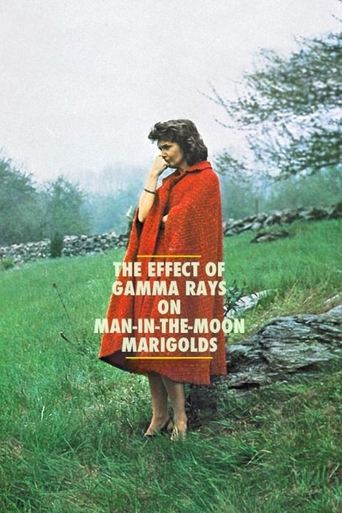
The Effect of Gamma Rays on Man-in-the-Moon Marigolds
1972 · 7.3/10
Worth the HypeRecommended by TMDB viewers
Most
Most
2003 · 7.3/10
Worth the HypeRecommended by TMDB viewers
Rabia: İlk Kadın Evliya: quick answers
Is Rabia: İlk Kadın Evliya worth watching?
Rabia: İlk Kadın Evliya doesn’t have enough ratings for a verdict yet.
Does Rabia: İlk Kadın Evliya have a post-credits scene?
None is listed for Rabia: İlk Kadın Evliya. Viewers tag these on TMDB, so a brand-new film may not be tagged yet.
Rabia: İlk Kadın Evliya parents guide: is it suitable for kids?
No age rating is listed for Rabia: İlk Kadın Evliya yet.
Which OTT platform is Rabia: İlk Kadın Evliya on?
Rabia: İlk Kadın Evliya isn’t streaming on any OTT platform in India yet; it released on 1 January 1973. (Checked 12 November 2026.)
What movies are like Rabia: İlk Kadın Evliya?
If you liked Rabia: İlk Kadın Evliya, try Come Sunday, The Young One, The Attack.
Who directed Rabia: İlk Kadın Evliya?
Rabia: İlk Kadın Evliya (1973) was directed by Süreyya Duru and stars Hülya Koçyiğit, Hüseyin Peyda, Nuri Altınok.