

Eugenia Grandet
1946, Italian. Directed by Mario Soldati.
Eugenia is a daughter of a wealthy but miserly man living a simple life in the provincial town of Saumur. Eugenia's inexperience leads her to fall in love with an unworthy man.
- Runtime
- 1h 40m
- Post-credits
- None listed
- Language
- Italian
- Rated
- Check local
Start now and it ends at ….
Too new to call
Not enough people have rated it yet for a verdict.
Seen it? Give your verdict.
Saved privately on this device.
Where to watch Eugenia Grandet
Eugenia Grandet isn’t streaming on any OTT platform in India yet; it released on 10 September 1946.
No streaming listings yet. Search JustWatch.
Cast & crew
- Mario SoldatiDirector
- Alida ValliEugenia Grandet
- Gualtiero TumiatiFelix Grandet
- Giorgio De LulloCharles Grandet
- Giuditta RissoneEugenia's mother
- Maria BodiMrs. Des Grassins
- Giuseppe VarniMr. Des Grassins
- Pina GalliniNanon
- Lando SguazziniAbbey Cruchet
- Mario SilettiCorneiller
- Enzo BiliottiNotary Cruchet
- Cesare OlivieriPresident Cruchet
- Lina GennariMarquise D'Aubrion
Details
- Released
- 10 September 1946
- Country
- Italy
- Written by
- Mario Soldati, Aldo De Benedetti
Check ratings elsewhere
News & fan talk
What Eugenia Grandet is based on
Eugenia Grandet is based on Eugénie Grandet (1833) by Honoré de Balzac.
1833
Eugénie Grandet
By Honoré de Balzac
Source details from Wikidata and TMDB.
If you liked Eugenia Grandet

Addicted
2014 · 5.9/10
SnoozefestRecommended by TMDB viewers
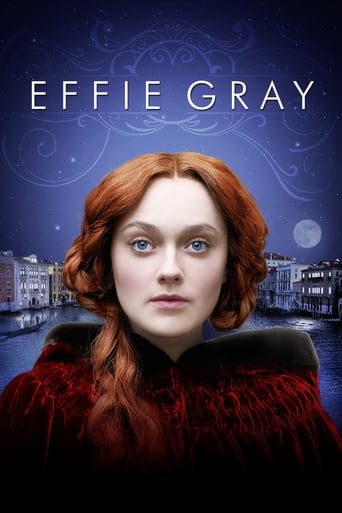
Effie Gray
2014 · 6.0/10
Popcorn FlickRecommended by TMDB viewers
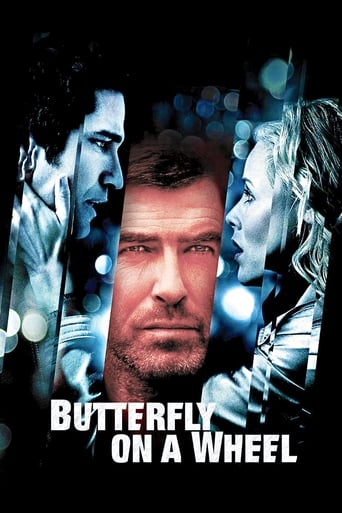
Butterfly on a Wheel
2007 · 6.5/10
Popcorn FlickRecommended by TMDB viewers

Adulterers
2016 · 6.2/10
Popcorn FlickRecommended by TMDB viewers
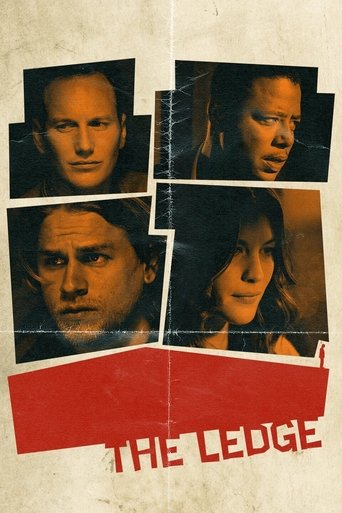
The Ledge
2011 · 6.2/10
Popcorn FlickRecommended by TMDB viewers
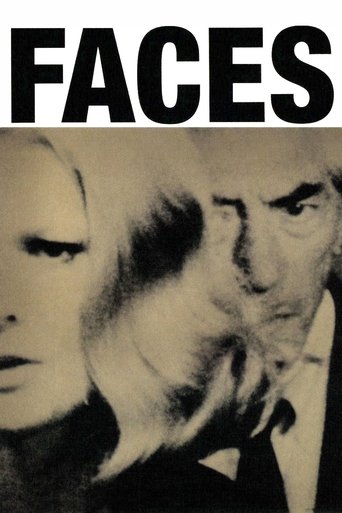
Faces
1968 · 7.1/10
Worth the HypeRecommended by TMDB viewers
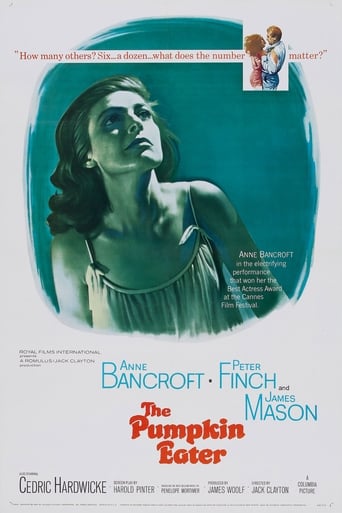
The Pumpkin Eater
1964 · 6.6/10
Popcorn FlickRecommended by TMDB viewers

American Beauty
1999 · 8.0/10
Absolute CinemaRecommended by TMDB viewers
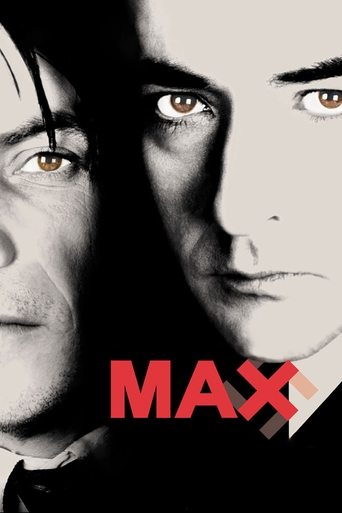
Max
2002 · 6.2/10
Popcorn FlickRecommended by TMDB viewers

Heatwave
2022 · 6.2/10
Popcorn FlickRecommended by TMDB viewers
Eugenia Grandet: quick answers
Is Eugenia Grandet worth watching?
Eugenia Grandet doesn’t have enough ratings for a verdict yet.
How long is Eugenia Grandet?
Eugenia Grandet runs 100 minutes (1h 40m).
Does Eugenia Grandet have a post-credits scene?
None is listed for Eugenia Grandet. Viewers tag these on TMDB, so a brand-new film may not be tagged yet.
Eugenia Grandet parents guide: is it suitable for kids?
No age rating is listed for Eugenia Grandet yet.
Which OTT platform is Eugenia Grandet on?
Eugenia Grandet isn’t streaming on any OTT platform in India yet; it released on 10 September 1946. (Checked 10 November 2026.)
What movies are like Eugenia Grandet?
If you liked Eugenia Grandet, try Addicted, Effie Gray, Butterfly on a Wheel.
Who directed Eugenia Grandet?
Eugenia Grandet (1946) was directed by Mario Soldati and stars Alida Valli, Gualtiero Tumiati, Giorgio De Lullo.
What is Eugenia Grandet based on?
Eugenia Grandet is based on Eugénie Grandet (1833) by Honoré de Balzac.