

The Tars
1934, Dutch. Directed by Jaap Speyer.
After serving in the Royal Navy, Manus, Toon and Dries return to Amsterdam working-class quarter 'the Jordaan'. Back home, they find out things have changed while they were gone; Manus's girl Jans has been unfaithful to him, Toon's father now rejects him on account of his dissolute life and barmaid Auntie Piet has been cooking up a scheme to ruin Dries' relationship with his girl Greet.
- Runtime
- 1h 31m
- Post-credits
- None listed
- Language
- Dutch
- Rated
- Check local
Start now and it ends at ….
Too new to call
Not enough people have rated it yet for a verdict.
Seen it? Give your verdict.
Saved privately on this device.
Where to watch The Tars
The Tars isn’t streaming on any OTT platform in India yet; it released on 9 February 1934.
No streaming listings yet. Search JustWatch.
Cast & crew
Details
- Released
- 9 February 1934
- Original title
- De Jantjes
- Country
- Netherlands
- Written by
- Herman Bouber
Check ratings elsewhere
News & fan talk
What The Tars is based on
The Tars is based on De Jantjes (1920) by Herman Bouber.
1920
De Jantjes
By Herman Bouber
Source details from Wikidata and TMDB.
If you liked The Tars

Hollywood Stargirl
2022 · 6.6/10
Popcorn FlickRecommended by TMDB viewers

Hellzapoppin'
1941 · 7.3/10
Worth the HypeRecommended by TMDB viewers

Cover Girl
1944 · 6.4/10
Popcorn FlickRecommended by TMDB viewers

¿Quieres ser mi hijo?
2023 · 8.4/10
Absolute CinemaRecommended by TMDB viewers
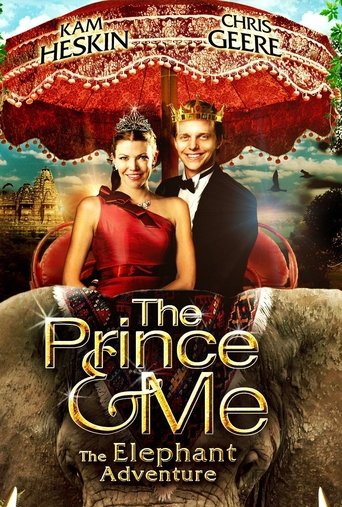
The Prince & Me 4: The Elephant Adventure
2010 · 6.1/10
Popcorn FlickRecommended by TMDB viewers

What's Love Got to Do with It?
2023 · 6.1/10
Popcorn FlickRecommended by TMDB viewers

Little Italy
2018 · 6.6/10
Popcorn FlickRecommended by TMDB viewers

Yoh! Bestie
2026 · 6.2/10
Popcorn FlickRecommended by TMDB viewers

Love, Weddings & Other Disasters
2020 · 6.0/10
Popcorn FlickRecommended by TMDB viewers

Easy Virtue
2008 · 6.5/10
Popcorn FlickRecommended by TMDB viewers
The Tars: quick answers
Is The Tars worth watching?
The Tars doesn’t have enough ratings for a verdict yet.
How long is The Tars?
The Tars runs 91 minutes (1h 31m).
Does The Tars have a post-credits scene?
None is listed for The Tars. Viewers tag these on TMDB, so a brand-new film may not be tagged yet.
The Tars parents guide: is it suitable for kids?
No age rating is listed for The Tars yet.
Which OTT platform is The Tars on?
The Tars isn’t streaming on any OTT platform in India yet; it released on 9 February 1934. (Checked 9 November 2026.)
What movies are like The Tars?
If you liked The Tars, try Hollywood Stargirl, Hellzapoppin', Cover Girl.
Who directed The Tars?
The Tars (1934) was directed by Jaap Speyer and stars Willy Castello, Johan Kaart, Jan Van Ees.
What is The Tars based on?
The Tars is based on De Jantjes (1920) by Herman Bouber.