
Romeo and Juliet, A Romantic Story of the Ancient Feud Between the Italian Houses of Montague and Capulet
1908, English. Directed by J. Stuart Blackton.
Two feuding houses are united with the marriage and eventual death of their children.
- Runtime
- 0h 15m
- Post-credits
- None listed
- Language
- English
- Rated
- Check local
Start now and it ends at ….
Too new to call
Not enough people have rated it yet for a verdict.
Seen it? Give your verdict.
Saved privately on this device.
Where to watch Romeo and Juliet, A Romantic Story of the Ancient Feud Between the Italian Houses of Montague and Capulet
Romeo and Juliet, A Romantic Story of the Ancient Feud Between the Italian Houses of Montague and Capulet isn’t streaming on any OTT platform in India yet; it released on 6 June 1908.
No streaming listings yet. Search JustWatch.
Details
- Released
- 6 June 1908
- Country
- United States of America
Check ratings elsewhere
News & fan talk
What Romeo and Juliet, A Romantic Story of the Ancient Feud Between the Italian Houses of Montague and Capulet is based on
Romeo and Juliet, A Romantic Story of the Ancient Feud Between the Italian Houses of Montague and Capulet is based on Romeo and Juliet, a dramatic work by William Shakespeare.
Dramatic work
Romeo and Juliet
By William Shakespeare
Source details from Wikidata and TMDB.
If you liked Romeo and Juliet, A Romantic Story of the Ancient Feud Between the Italian Houses of Montague and Capulet

The People We Hate at the Wedding
2022 · 6.3/10
Popcorn FlickRecommended by TMDB viewers

Bring Them Down
2025 · 6.7/10
Popcorn FlickRecommended by TMDB viewers

The Domestics
2018 · 6.2/10
Popcorn FlickRecommended by TMDB viewers

Please Don't Feed the Children
2025 · 6.1/10
Popcorn FlickRecommended by TMDB viewers

The Invitation
2022 · 6.0/10
Popcorn FlickRecommended by TMDB viewers

Mildred Pierce
1945 · 7.6/10
Worth the HypeRecommended by TMDB viewers
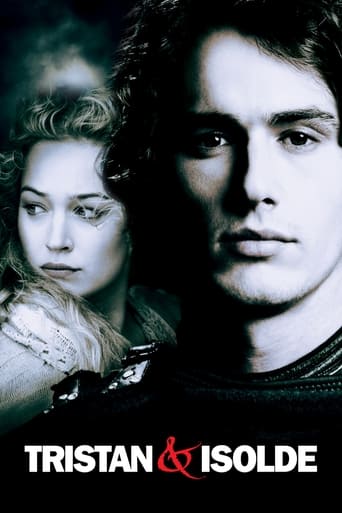
Tristan & Isolde
2006 · 6.7/10
Popcorn FlickRecommended by TMDB viewers

The Remaining
2014 · 6.1/10
Popcorn FlickRecommended by TMDB viewers

One True Thing
1998 · 6.5/10
Popcorn FlickRecommended by TMDB viewers
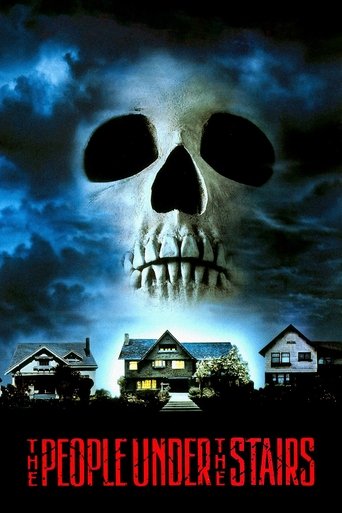
The People Under the Stairs
1991 · 6.6/10
Popcorn FlickRecommended by TMDB viewers
Romeo and Juliet, A Romantic Story of the Ancient Feud Between the Italian Houses of Montague and Capulet: quick answers
Is Romeo and Juliet, A Romantic Story of the Ancient Feud Between the Italian Houses of Montague and Capulet worth watching?
Romeo and Juliet, A Romantic Story of the Ancient Feud Between the Italian Houses of Montague and Capulet doesn’t have enough ratings for a verdict yet.
How long is Romeo and Juliet, A Romantic Story of the Ancient Feud Between the Italian Houses of Montague and Capulet?
Romeo and Juliet, A Romantic Story of the Ancient Feud Between the Italian Houses of Montague and Capulet runs 15 minutes (0h 15m).
Does Romeo and Juliet, A Romantic Story of the Ancient Feud Between the Italian Houses of Montague and Capulet have a post-credits scene?
None is listed for Romeo and Juliet, A Romantic Story of the Ancient Feud Between the Italian Houses of Montague and Capulet. Viewers tag these on TMDB, so a brand-new film may not be tagged yet.
Romeo and Juliet, A Romantic Story of the Ancient Feud Between the Italian Houses of Montague and Capulet parents guide: is it suitable for kids?
No age rating is listed for Romeo and Juliet, A Romantic Story of the Ancient Feud Between the Italian Houses of Montague and Capulet yet.
Which OTT platform is Romeo and Juliet, A Romantic Story of the Ancient Feud Between the Italian Houses of Montague and Capulet on?
Romeo and Juliet, A Romantic Story of the Ancient Feud Between the Italian Houses of Montague and Capulet isn’t streaming on any OTT platform in India yet; it released on 6 June 1908. (Checked 14 November 2026.)
What movies are like Romeo and Juliet, A Romantic Story of the Ancient Feud Between the Italian Houses of Montague and Capulet?
If you liked Romeo and Juliet, A Romantic Story of the Ancient Feud Between the Italian Houses of Montague and Capulet, try The People We Hate at the Wedding, Bring Them Down, The Domestics.
Who directed Romeo and Juliet, A Romantic Story of the Ancient Feud Between the Italian Houses of Montague and Capulet?
Romeo and Juliet, A Romantic Story of the Ancient Feud Between the Italian Houses of Montague and Capulet (1908) was directed by J. Stuart Blackton and stars Paul Panzer, Florence Lawrence.
What is Romeo and Juliet, A Romantic Story of the Ancient Feud Between the Italian Houses of Montague and Capulet based on?
Romeo and Juliet, A Romantic Story of the Ancient Feud Between the Italian Houses of Montague and Capulet is based on Romeo and Juliet, a dramatic work by William Shakespeare.