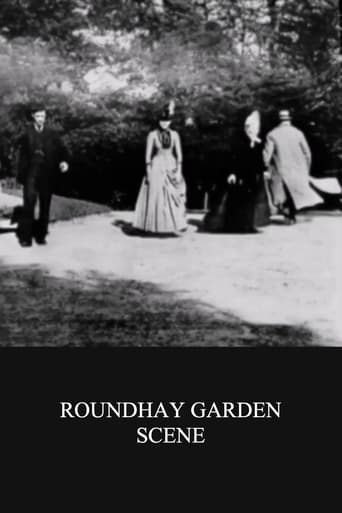
Movies like Roundhay Garden Scene (1888)
The best movies like Roundhay Garden Scene (1888) are Workers Leaving the Lumière Factory (1895), The Wonder Ring (1955) and The Mad Masters (1955). If Roundhay Garden Scene hooked you with its documentary, these 30 similar films are what to watch next, and every pick says why it matches.
Quick picks
- Highest ratedMan with a Movie Camera (1929)7.9/10 from 841 votes
- NewestAquaman: Heroines of Atlantis (2019)Released 2019
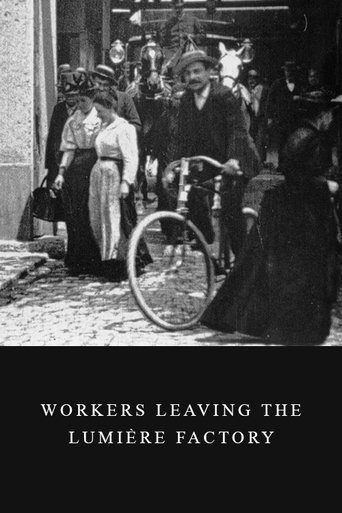
Workers Leaving the Lumière Factory (1895)
“The workers leave the Lumière factory.” Workers pass through the gate of the Lumière factory and are followed by a carriage drawn by two horses.
Why it matches: Fans watch both · both documentary
Popcorn FlickMovies like thisThe Wonder Ring (1955)
An important early film by Stan Brakhage, which Joseph Cornell commissioned as a record of New York's Third Avenue elevated train before it was torn down. Curiously lacking in people, the film focuses on the rhythms of the ride and reflections in train windows, finding a real-world version of the superimpositions Brakhage would later create in the lab. Preserved by the Academy Film Archive in 2005.
Why it matches: Fans watch both · both documentary
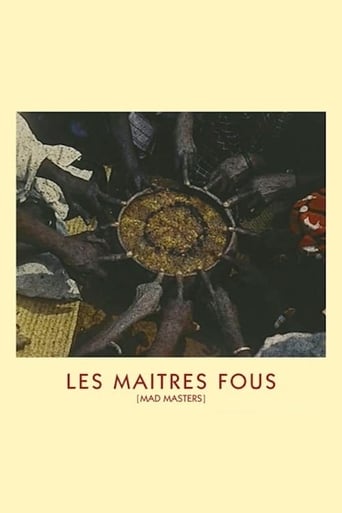
The Mad Masters (1955)
The subject of the film was the Hauka movement. The Hauka movement consisted of mimicry and dancing to become possessed by French Colonial administrators. The participants performed the same elaborate military ceremonies of their colonial occupiers, but in more of a trance than true recreation.
Why it matches: Fans watch both · both documentary
Popcorn FlickMovies like thisBlood of the Beasts (1949)
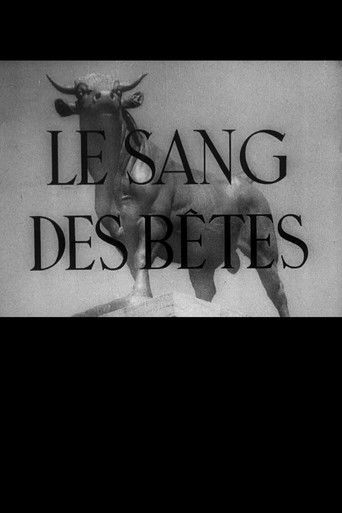
An early example of ultra-realism, this movie contrasts the quiet, bucolic life in the outskirts of Paris with the harsh, gory conditions inside the nearby slaughterhouses. Describes the fate of the animals and that of the workers in graphic detail.
Why it matches: Fans watch both · both documentary
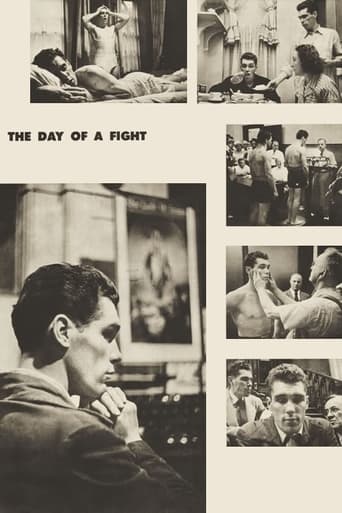
Worth the HypeMovies like thisDay of the Fight (1951)
Stanley Kubrick’s debut documentary, following Irish-American middleweight boxer Walter Cartier on April 17, 1950—the day of his bout with Bobby James. The film traces Cartier’s quiet morning rituals, training, and anxious hours before the match, culminating in his swift victory that night in Newark. Opening with a brief history of boxing, Kubrick’s tightly crafted short captures the discipline, isolation, and tension behind a fighter’s daily routine.
Why it matches: Fans watch both · both documentary
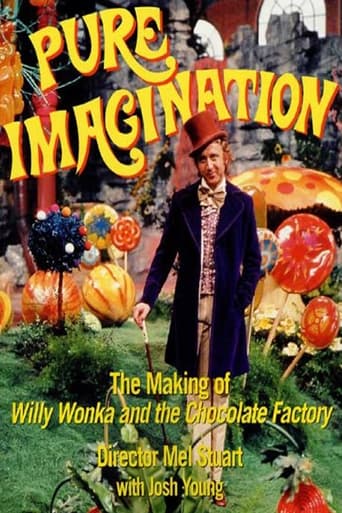
SnoozefestMovies like thisPure Imagination: The Story of 'Willy Wonka & the Chocolate Factory' (2001)
Retrospective documentary on the making of the cult classic "Willy Wonka & the Chocolate Factory."
Why it matches: Fans watch both · both documentary
Rain (1929)
A lyrical portrait of Amsterdam and its changing appearance during a rain-shower.
Why it matches: Fans watch both · both documentary
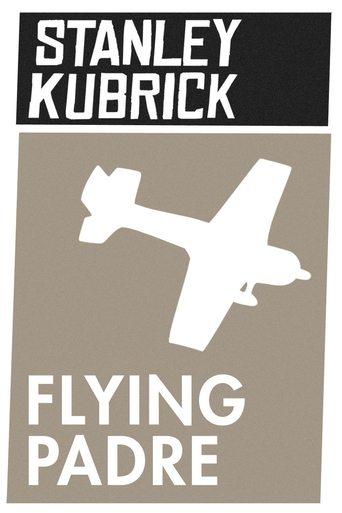
Worth the HypeMovies like thisFlying Padre (1951)
Stanley Kubrick’s short documentary about Father Fred Stadtmueller, a Catholic priest serving a vast 4,000-square-mile parish in rural New Mexico. To reach his scattered congregation, he pilots his own Piper Cub aircraft, the Spirit of St. Joseph. Over two days, Kubrick follows the “flying padre” as he conducts Mass, mediates between quarreling children, attends a funeral, and airlifts a sick child to medical care—capturing both the challenges and quiet heroism of his daily mission.
Why it matches: Fans watch both · both documentary
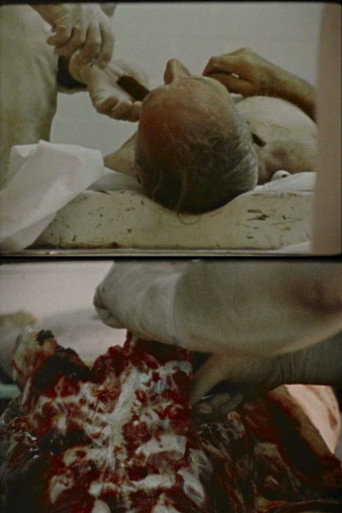
SnoozefestMovies like thisThe Act of Seeing with One's Own Eyes (1972)
At a morgue, forensic pathologists conduct autopsies of the corpses assigned. "S. Brakhage, entering, WITH HIS CAMERA, one of the forbidden, terrific locations of our culture, the autopsy room. It is a place wherein, inversely, life is cherished, for it exists to affirm that no one of us may die without our knowing exactly why. All of us, in the person of the coroner, must see that, for ourselves, with our own eyes. It is a room full of appalling particular intimacies, the last ditch of individuation. Here our vague nightmare of mortality acquires the names and faces of OTHERS. This last is a process that requires a WITNESS; and what 'idea' may finally have inserted itself into the sensible world we can still scarcely guess, for the CAMERA would seem the perfect Eidetic Witness, staring with perfect compassion where we can scarcely bear to glance." – Hollis Frampton
Why it matches: Fans watch both · both documentary
Popcorn FlickMovies like thisThe Private Life of a Cat (1946)
An intimate study of the life of a domestic cat, taking place over a period of months as she gives birth to a litter of kittens and cares for them as they grow.
Why it matches: Fans watch both · both documentary
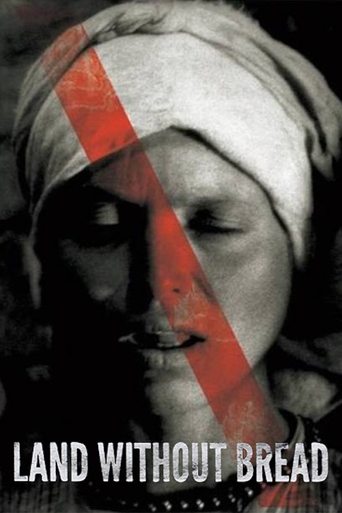
Worth the HypeMovies like thisLand Without Bread (1933)
An exploration —manipulated and staged— of life in Las Hurdes, in the province of Cáceres, in Extremadura, Spain, as it was in 1932. Insalubrity, misery and lack of opportunities provoke the emigration of young people and the solitude of those who remain in the desolation of one of the poorest and least developed Spanish regions at that time.
Why it matches: Fans watch both · both documentary
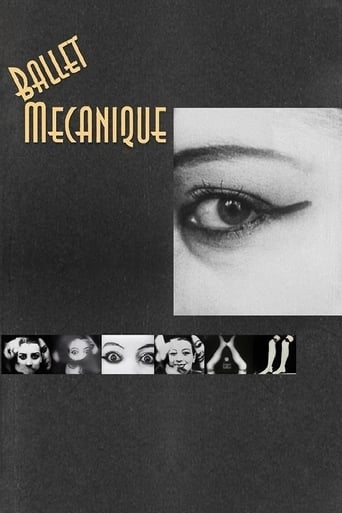
Worth the HypeMovies like thisBallet Mécanique (1924)
Ballet Mécanique is a Dadaist, post-Cubist art film conceived, written, and co-directed by the artist Fernand Léger in collaboration with the filmmaker Dudley Murphy. It has a musical score by the American composer George Antheil.
Why it matches: Fans watch both
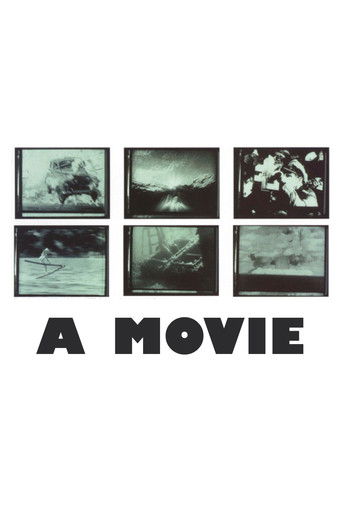
Popcorn FlickMovies like thisA Movie (1958)
Bruce Conner's landmark experimental film consisting entirely of found footage edited to a new score.
Why it matches: Fans watch both
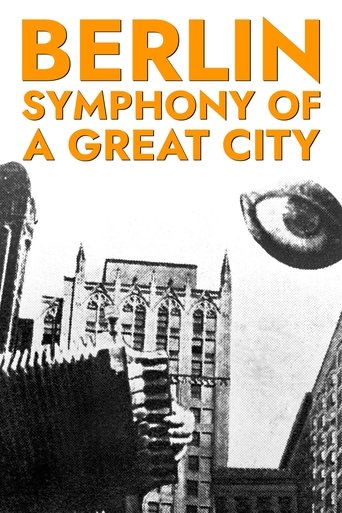
Popcorn FlickMovies like thisBerlin: Symphony of a Great City (1927)
A day in the city of Berlin, which experienced an industrial boom in the 1920s, and still provides an insight into the living and working conditions at that time. Germany had just recovered a little from the worst consequences of the First World War, the great economic crisis was still a few years away and Hitler was not yet an issue at the time.
Why it matches: Fans watch both · both documentary
Worth the HypeMovies like thisThe Merry Dwarfs (1929)
A village of dwarfs dance and play through their day. A blacksmith shoes a centipede, a street-cleaner sweeps, a marching-band strikes up and the townsmen roll out beer barrels.
Why it matches: Fans watch both
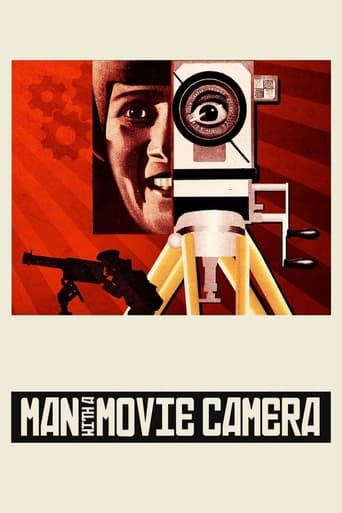
Man with a Movie Camera (1929)
A cameraman wanders around with a camera slung over his shoulder, documenting urban life with dazzling inventiveness.
Why it matches: Fans watch both · both documentary
Absolute CinemaMovies like thisThe Story of the Animated Drawing (1955)
Walt Disney discusses the history of animation, beginning with J. Stuart Blackton and his Humorous Phases of Funny Faces in 1906, and including Gertie the Dinosaur.
Why it matches: Fans watch both · both documentary
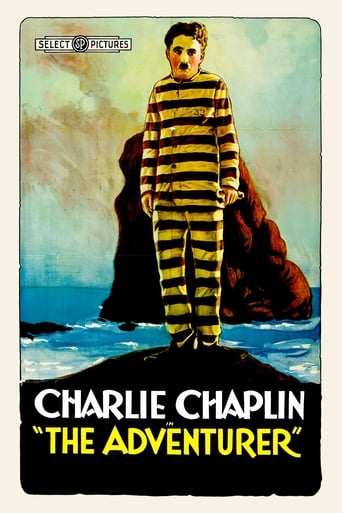
The Adventurer (1917)
The daring convict no. 23, known as The Eel, escapes from prison and, after mocking his inept persecutors, saves the lives of three people in peril: a beautiful girl, her mother and an annoying suitor, only to get exhausted and almost drowned. Once he regains his strength at Judge Brown's home, he participates on an upper-class social party where he competes with the suitor for the favors of the charming Miss Brown. But prison guards are still after him…
Why it matches: Fans watch both
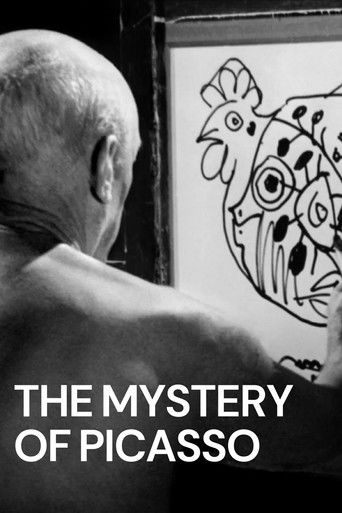
Popcorn FlickMovies like thisThe Mystery of Picasso (1956)
Using a specially designed transparent 'canvas' to provide an unobstructed view, Picasso creates as the camera rolls. He begins with simple works that take shape after only a single brush stroke. He then progresses to more complex paintings, in which he repeatedly adds and removes elements, transforming the entire scene at will, until at last the work is complete.
Why it matches: Fans watch both · both documentary
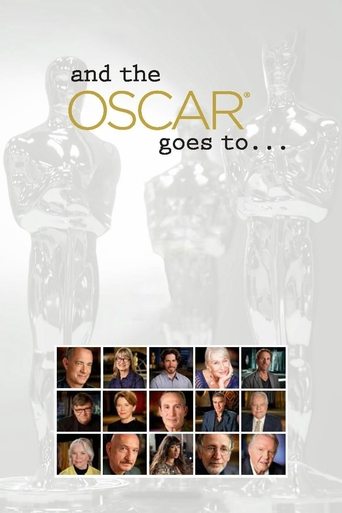
Worth the HypeMovies like thisAnd the Oscar Goes To... (2014)
The story of the gold-plated statuette that became the film industry's most coveted prize, AND THE OSCAR GOES TO... traces the history of the Academy itself, which began in 1927 when Louis B. Mayer, then head of MGM, led other prominent members of the industry in forming this professional honorary organization. Two years later the Academy began bestowing awards, which were nicknamed "Oscar," and quickly came to represent the pinnacle of cinematic achievement.
Why it matches: Fans watch both · both documentary
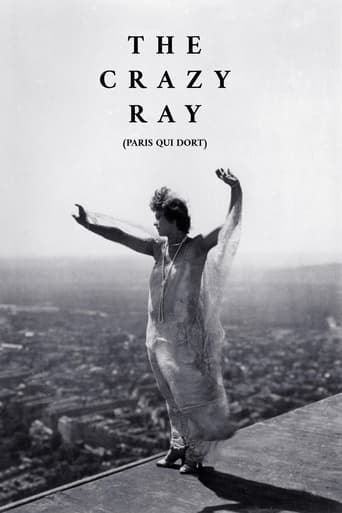
Popcorn FlickMovies like thisThe Crazy Ray (1925)
A night watchman on the Eiffel Tower wakes up to find the entire population of the city frozen in place.
Why it matches: Fans watch both
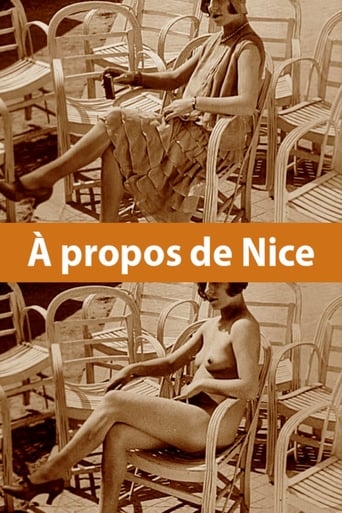
Popcorn FlickMovies like thisÀ propos de Nice (1930)
What starts off as a conventional travelogue turns into a satirical portrait of the town of Nice on the French Côte d'Azur, especially its wealthy inhabitants.
Why it matches: Fans watch both · both documentary
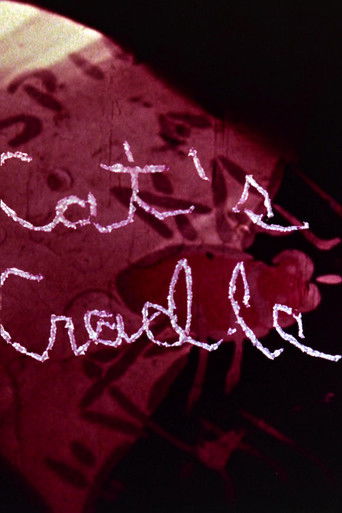
Popcorn FlickMovies like thisCat's Cradle (1959)
Images of two women, two men, and a gray cat form a montage of rapid bits of movement. A woman is in a bedroom, another wears an apron: they work with their hands, occasionally looking up. A man enters a room, a woman smiles. He sits, another man sits and smokes. The cat stretches. There are close-ups of each. The light is dim; a filter accentuates red. A bare foot stands on a satin sheet. A woman disrobes. She pets the cat. Preserved by the Academy Film Archive in 2006.
Why it matches: Fans watch both · both documentary
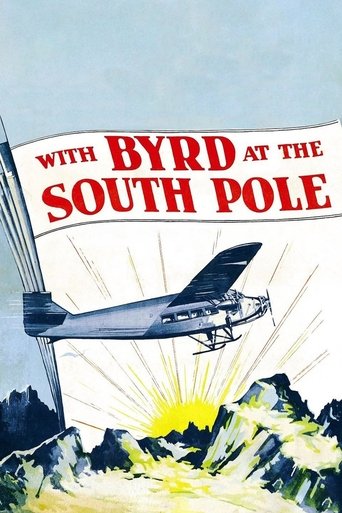
SnoozefestMovies like thisWith Byrd at the South Pole (1930)
With Byrd at the South Pole (1930) is a documentary film about Rear Admiral Richard E. Byrd and his 1st quest to the South Pole beginning at the Little America-Exploration Base. The film's soundtrack consists mostly of music and sound effects, with narration read by Floyd Gibbons. The film won at the 3rd Academy Awards for Best Cinematography.
Why it matches: Fans watch both · both documentary
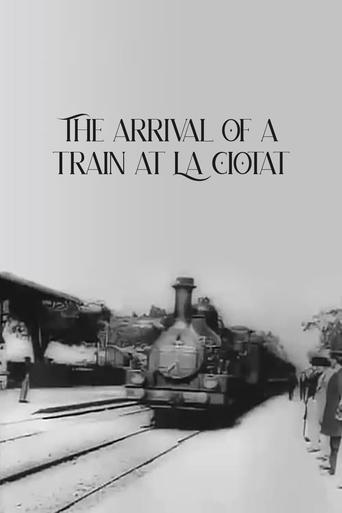
The Arrival of a Train at La Ciotat (1896)
A group of people are standing along the platform of a railway station in La Ciotat, waiting for a train. One is seen coming, at some distance, and eventually stops at the platform. Doors of the railway-cars open and attendants help passengers off and on. Popular legend has it that, when this film was shown, the first-night audience fled the café in terror, fearing being run over by the "approaching" train. This legend has since been identified as promotional embellishment, though there is evidence to suggest that people were astounded at the capabilities of the Lumières' cinématographe.
Why it matches: Fans watch both · both documentary
Worth the HypeMovies like thisPersistence of Vision (2012)
It was to be the greatest animated film of all time. Not just an eye-opener, but a game-changer. Richard Williams demanded nothing less, investing nearly three decades into his movie masterpiece. From as early as 1964 he ploughed most of the profits right back into his pet project, a feature inspired by the Arabian Nights and provisionally known as Mullah Nasruddin. He assembled a team of inspired young artists—and brought in the best Hollywood craftsmen to teach them—and devised what would be the most elaborate, kaleidoscopic, mind-boggling visual sequences ever committed to celluloid. Years passed. Potential financiers came and went. Work continued. But it was only after Roger Rabbit that Williams had a studio budget to corroborate the munificence of his imagination.
Why it matches: Fans watch both · both documentary
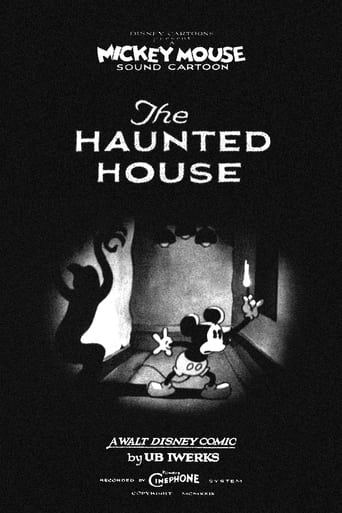
The Haunted House (1929)
Mickey seeks shelter from a storm in a house that turns out to be haunted. The skeletons command him to play the organ; they dance and play along.
Why it matches: Fans watch both
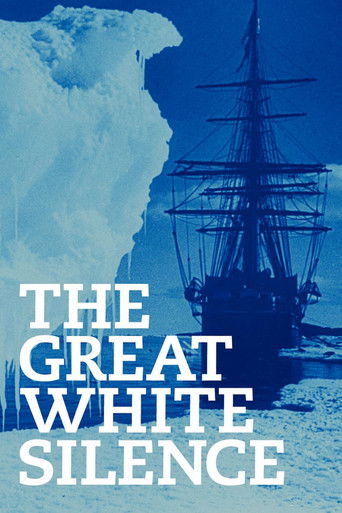
Popcorn FlickMovies like thisThe Great White Silence (1924)
Herbert Ponting travelled to Antarctica with Captain Scott’s ill-fated South Pole expedition and filmed the stunning images that make up this extraordinary documentary. (Originally released in 1912 as With Captain Scott in the Antarctic, the material was re-edited and re-issued by Ponting in 1924 as The Great White Silence.)
Why it matches: Fans watch both · both documentary
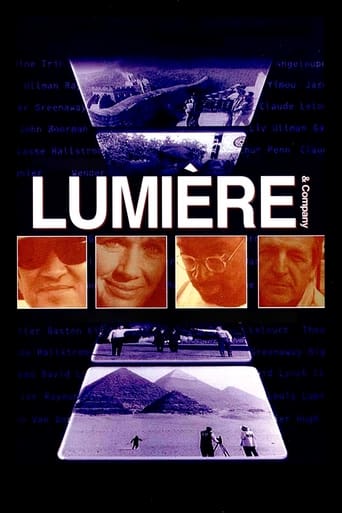
Worth the HypeMovies like thisLumière & Company (1995)
40 international directors were asked to make a short film using the original Cinematographe invented by the Lumière Brothers, working under conditions similar to those of 1895. There were three rules: (1) The film could be no longer than 52 seconds, (2) no synchronized sound was permitted, and (3) no more than three takes.
Why it matches: Fans watch both · both documentary
Popcorn FlickMovies like thisAquaman: Heroines of Atlantis (2019)
Amber Heard and Nicole Kidman discuss their characters Mera and Atlanna.
Why it matches: Recommended by TMDB viewers · both documentary
Popcorn FlickMovies like this







Like Roundhay Garden Scene and something else?
Blend two favourites and we’ll find the films in between.
Frequently asked questions
What are the best movies like Roundhay Garden Scene?
The closest matches to Roundhay Garden Scene are Workers Leaving the Lumière Factory (1895), The Wonder Ring (1955) and The Mad Masters (1955). Below are 27 more, each with the reason it matches.
What should I watch after Roundhay Garden Scene?
People who watched Roundhay Garden Scene most often go on to Workers Leaving the Lumière Factory (1895), The Wonder Ring (1955) and The Mad Masters (1955).
What is the highest-rated movie like Roundhay Garden Scene?
Man with a Movie Camera (1929), rated 7.9/10 by 841 TMDB users.
What is the newest movie like Roundhay Garden Scene?
Aquaman: Heroines of Atlantis (2019) is the most recent release on this list.
Are there English movies like Roundhay Garden Scene?
Yes: The Wonder Ring (1955), Day of the Fight (1951) and Pure Imagination: The Story of 'Willy Wonka & the Chocolate Factory' (2001).
How are movies similar to Roundhay Garden Scene chosen?
First come films that Trakt’s viewers watch alongside Roundhay Garden Scene, then TMDB’s recommendations and films it rates as similar in story and genre. Each pick says which signal put it there.