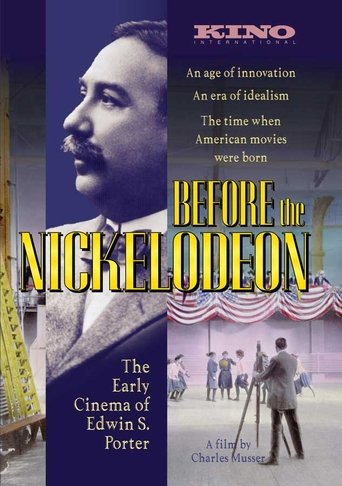
The Prince and the Pauper
1915 · 5.0/10
New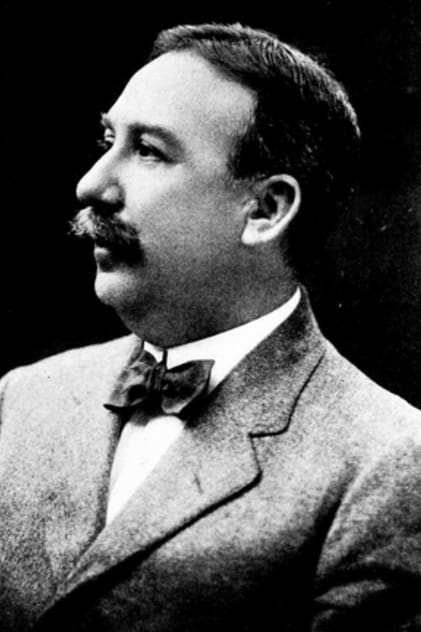
Director & actor · born 21 April 1870 · Connellsville, Pennsylvania, USA
Edwin Stanton Porter was an American film pioneer, most famous as a producer, director, studio manager and cinematographer with the Edison Manufacturing Company and the Famous Players Film Company. Influenced by both the "Brighton school" and the story films of Georges Méliès, Porter went on to make important shorts such as Life of an American Fireman (1903) and The Great Train Robbery (1903). In them, he helped to develop the modern concept of continuity editing, paving the way for D.W. Griffith who would expand on Porter's discovery that the unit of film structure was the shot rather than the scene. Porter, in an attempt to resist the new industrial system born out of the popularity of nickelodeons, left Edison in 1909 to form his own production company which he eventually sold in 1912.
Porter remains an enigmatic figure in motion picture history. Though his significance as director of The Great Train Robbery and other innovative early films is undeniable, he rarely repeated an innovation after he had used it successfully, never developed a consistent directorial style, and in later years never protested when others rediscovered his techniques and claimed them as their own. He was a modest, quiet, cautious man who felt uncomfortable working with the famous stars he directed starting in 1912.
Where to start: The Great Train Robbery (1903).
1915 · 5.0/10
New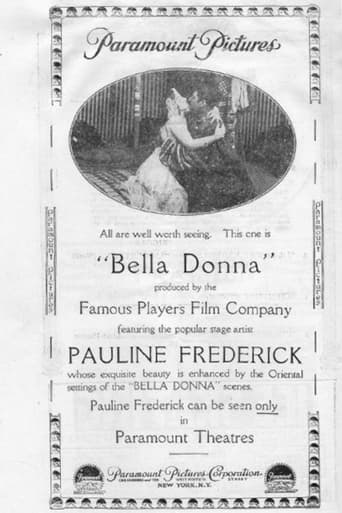
1915
New
1915
New
1915
NewSold
1915
New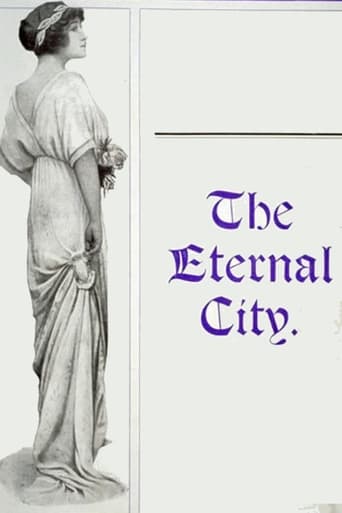
1915
New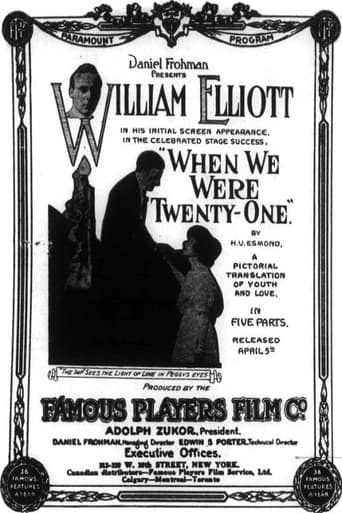
1915
New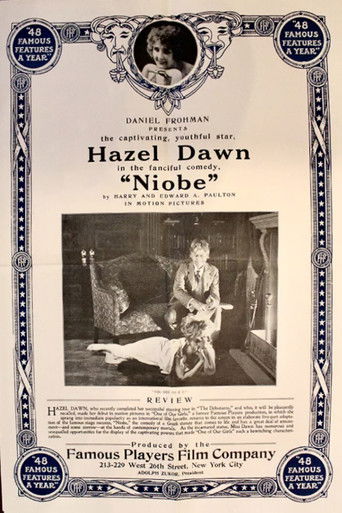
1915
New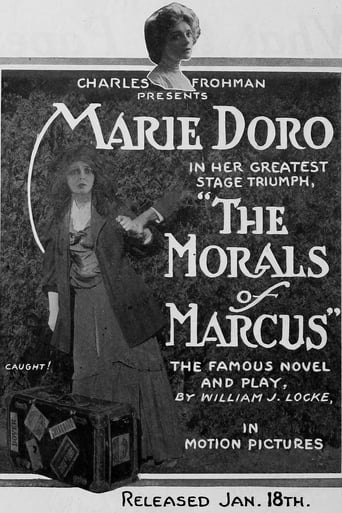
1915
New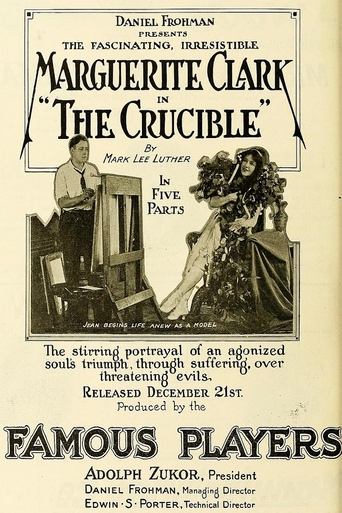
1914
New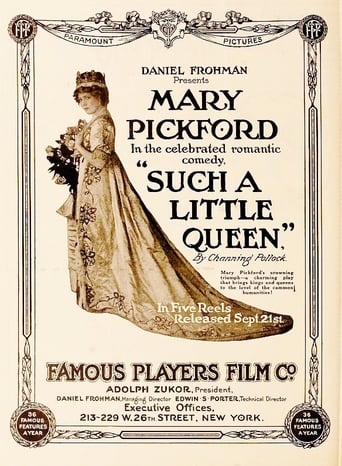
1914
New
1914 · 5.4/10
New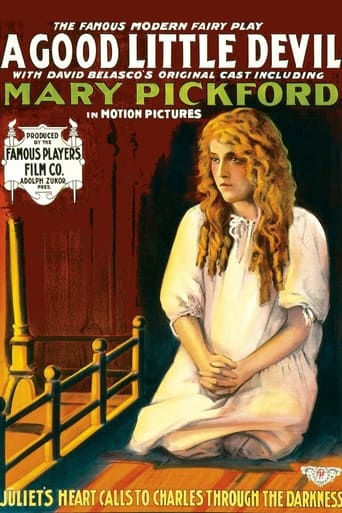
1914
New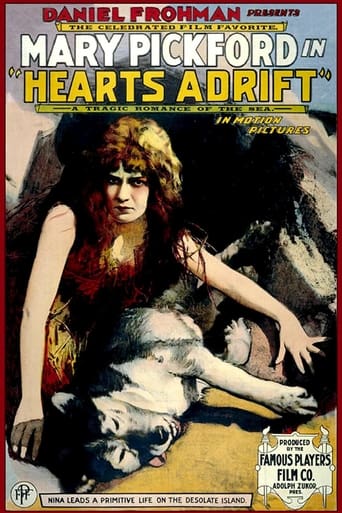
1914
New
1913 · 4.0/10
New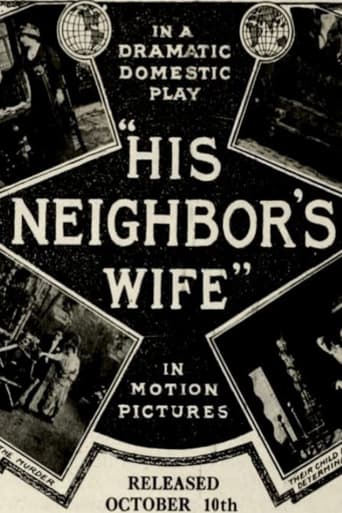
1913 · 7.0/10
New
1913 · 1.0/10
New
1913 · 3.5/10
New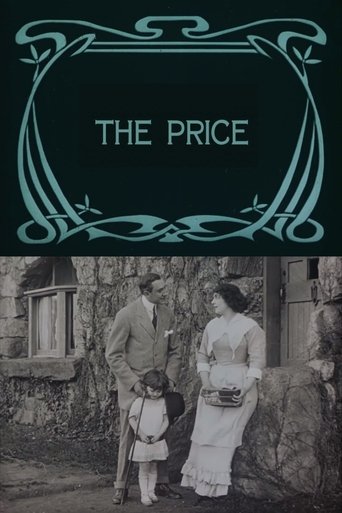
1911 · 6.2/10
NewLost Illusions
1911
New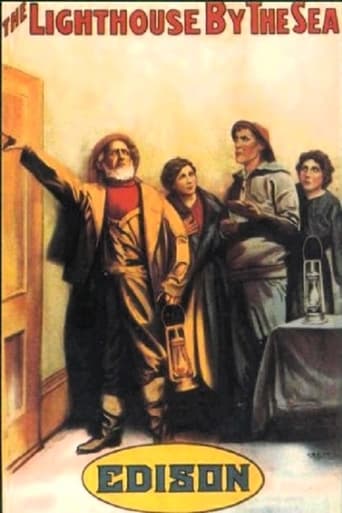
1911 · 7.0/10
NewSherlock Holmes, Jr.
1911 · 10.0/10
New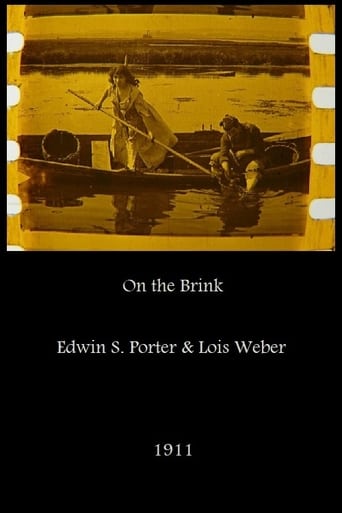
1911 · 10.0/10
New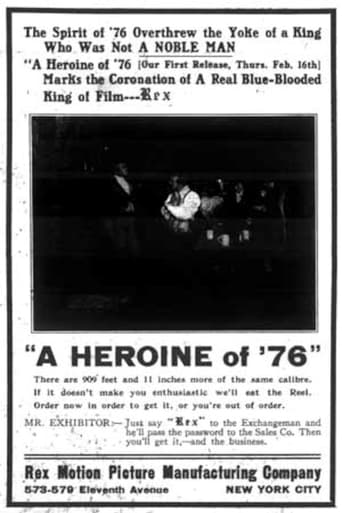
1911 · 9.0/10
NewRussia, the Land of Oppression
1910 · 10.0/10
NewOn the Western Frontier
1909
NewThe Colored Stenographer
1909
NewMiss Sherlock Holmes
1908 · 10.0/10
NewShe
1908
New
1908 · 5.8/10
New
1908 · 6.0/10
New
1907 · 6.9/10
New
1907 · 5.4/10
New
1907 · 6.0/10
New
1907 · 5.2/10
New
1907 · 8.0/10
New
1907 · 5.8/10
New
1907 · 4.7/10
New
1907 · 5.6/10
NewPoor John
1907 · 4.0/10
New
1906 · 5.5/10
New
1906 · 5.3/10
New
1906 · 7.0/10
NewThe Life of an American Cowboy
1906 · 3.0/10
New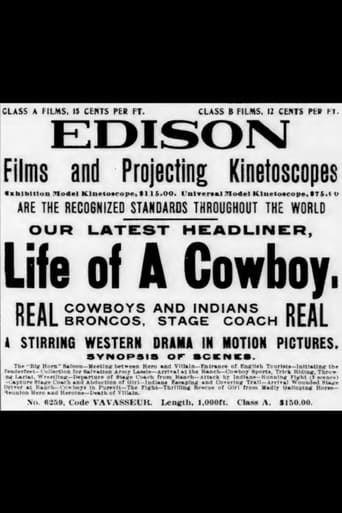
1906 · 3.9/10
New
1906 · 6.3/10
New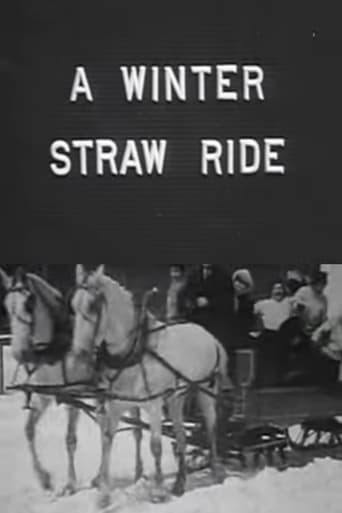
1906 · 5.2/10
New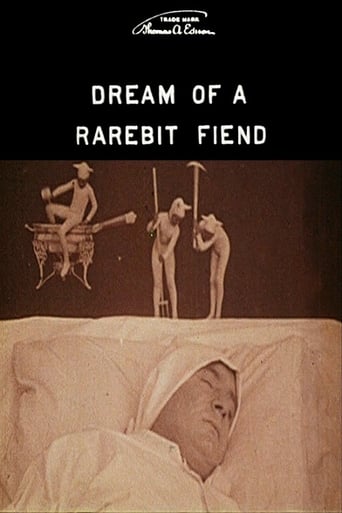
1906 · 6.3/10
Popcorn Flick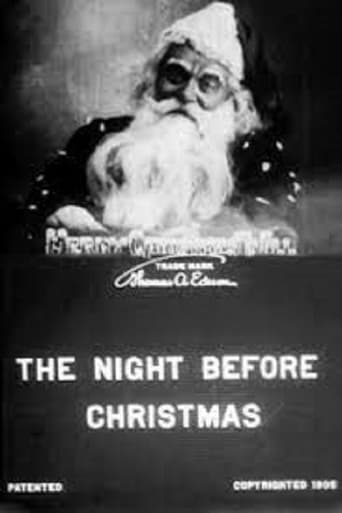
1905 · 6.1/10
New
1905 · 4.7/10
New
1905 · 5.7/10
New
1905 · 4.0/10
New
1905 · 5.0/10
New
1905 · 5.6/10
New
1905 · 5.3/10
NewThe Boarding School Girls
1905 · 6.0/10
NewScenes and Incidents, Russo-Japanese Peace Conference, Portsmouth, N. H.
1905 · 7.0/10
New
1905 · 5.2/10
New
1905 · 5.7/10
New
1905 · 6.1/10
NewHow Jones Lost His Roll
1905 · 5.7/10
New
1905 · 5.2/10
New
1905 · 5.0/10
New
1904 · 4.7/10
New
1904 · 5.3/10
New
1904 · 5.5/10
NewA Rube Couple at a County Fair
1904 · 5.0/10
New
1904 · 4.1/10
NewCapture of Yegg Bank Burglars
1904 · 6.5/10
New
1904 · 5.9/10
New
1904 · 5.2/10
NewFighting the Flames, Dreamland
1904 · 7.5/10
NewScenes in an Infant Orphan Asylum
1904 · 3.0/10
NewInter-Collegiate Athletic Association Championships
1904 · 10.0/10
New
1904 · 6.6/10
NewR. F. Outcault Making a Sketch of Buster and Tige
1904 · 3.0/10
NewAnimated Painting
1904 · 10.0/10
NewTreloar and Miss Marshall, Prize Winners at the Physical Culture Show in Madison Square Garden
1904 · 7.5/10
New
1904
New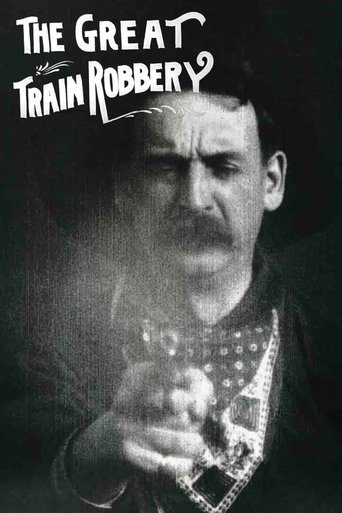
1903 · 7.0/10
Worth the Hype
1903 · 4.2/10
New
1903 · 4.9/10
NewRube and Mandy at Coney Island
1903 · 5.6/10
New
1903 · 5.1/10
New
1903 · 4.7/10
NewNew York City Dumping Wharf
1903 · 4.3/10
New
1903 · 5.0/10
NewFireboat 'New Yorker' in Action
1903 · 5.3/10
NewPanorama of Riker's Island, N.Y.
1903 · 4.5/10
New
1903 · 5.4/10
NewNew York Harbor Police Boat Patrol Capturing Pirates
1903 · 5.0/10
NewPanorama of Blackwell's Island
1903 · 6.5/10
NewPanorama Water Front and Brooklyn Bridge from East River
1903 · 6.5/10
New
1903 · 6.0/10
Popcorn Flick
1903 · 2.7/10
Snoozefest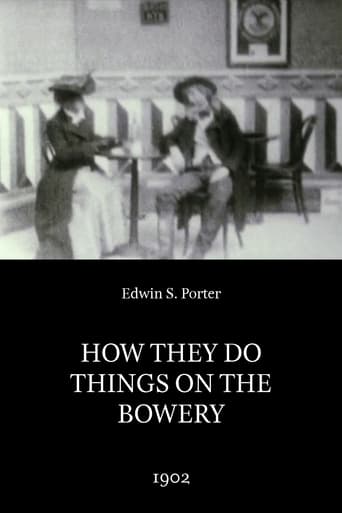
1902 · 5.2/10
New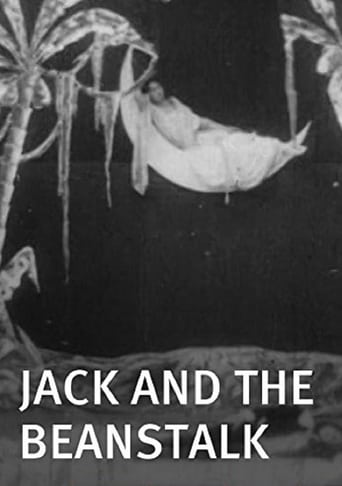
1902 · 6.0/10
New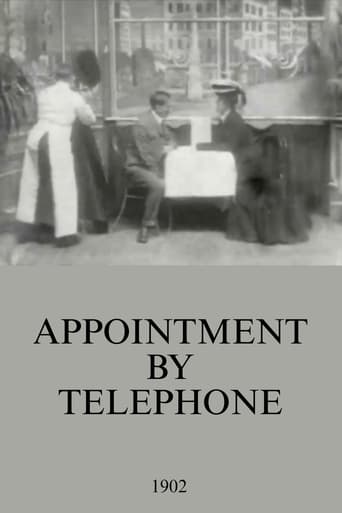
1902 · 4.9/10
New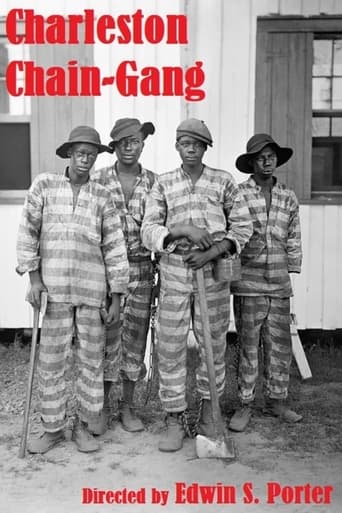
1902 · 5.0/10
NewBabies Rolling Eggs
1902 · 4.6/10
New
1902 · 5.5/10
New
1902 · 5.5/10
NewCapture of the Biddle Brothers
1902 · 5.2/10
New
1902 · 5.1/10
New
1901 · 6.2/10
New
1901 · 5.9/10
New
1901 · 5.0/10
NewLife Rescue at Long Branch
1901
NewRubes in the Theatre
1901
New
1901 · 5.4/10
NewThe Reversible Divers
1901 · 6.0/10
NewSampson-Schley Controversy
1901 · 4.7/10
NewThe Esquimaux Village
1901 · 5.0/10
New
1901 · 5.3/10
New
1901 · 4.8/10
New
1901 · 3.8/10
NewLaura Comstock's Bag-Punching Dog
1901 · 5.4/10
New
1901 · 5.2/10
NewKansas Saloon Smashers
1901 · 4.6/10
New
1901 · 5.0/10
NewThe Old Maid Having Her Picture Taken
1901 · 4.9/10
NewWhy Mr. Nation Wants a Divorce
1901 · 5.2/10
New
1901 · 3.0/10
New
1901 · 4.0/10
New
1900 · 3.6/10
NewFaust and Marguerite
1900 · 3.9/10
New
1900 · 5.7/10
NewThe Kiss
1900 · 5.6/10
New
1900 · 4.0/10
NewChing Ling Foo Outdone
1900 · 5.2/10
NewThe Magician
1900 · 4.7/10
NewAn Animated Luncheon
1900 · 5.4/10
New
1900 · 4.6/10
NewThe Mystic Swing
1900 · 4.5/10
New
1900
New
1899 · 5.0/10
NewBy viewer score, The Great Train Robbery (1903) at 7.0/10.
The Great Train Robbery, Life of an American Fireman, Life of an American Fireman.
138 films on TMDB, 136 as director, 2 as actor.